

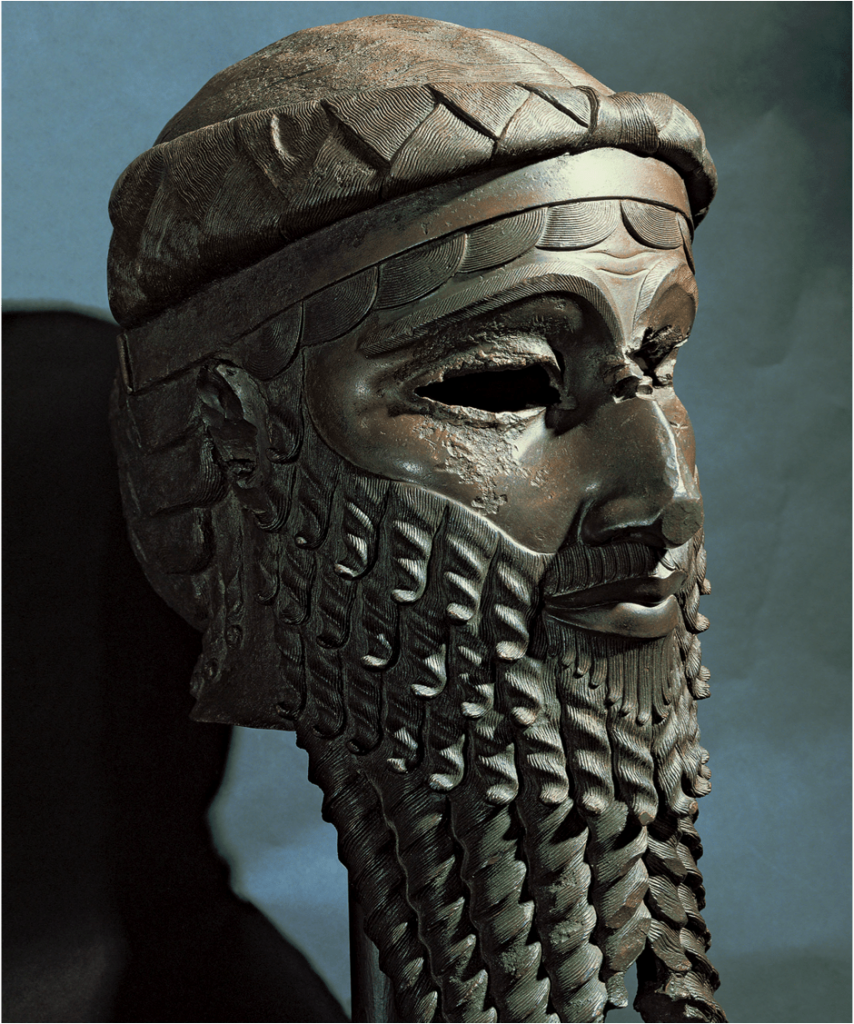
Sometime time before 2334 BCE young man was employed as a cup bearer. This young cupbearer eventually was invited to join another warlord and quickly they took over one of the most important towns in the area Kish. The young man eventually proclaimed himself the king and took on a new name King Sargon and took as his divine protector the goddess Inanna.
It was clear his ambition went beyond the conquest of southern Mesopotamia. He would have appealed to the poorer people as she claimed to be the illegitimate child of a chief priestess who consigned him to a rush basket covered with pitch and he was rescued by a gardener, Akki. By frequently referring to his humble origins made him appear approachable. Stories about Sargon stress his sense of fairness to all his people. The poor did not have to beg, widows and orphans were protected. Taxes were set and collected equitably.
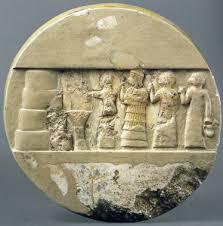
His daughter was installed as the high priestess in the temple of Inanna in the Sumer city of Ur. Here she was a significant ally supporting the actions of her father and ensuring that the temple of his patron god was always behind him in everything he did.
This book is about the daughter of Sargon. She was as important to the history of Mesopotamia as was her father. While she was still young, she was sent by her father to the temple of Ur. The father’s capital was Akkad in the north of Mesopotamia while the temple of Ur was in the south in Sumer. He had conquered the city’s and set up what could be described as the first empire although often there was still underlying hostilities and problems.
Following her training she became the head priestess, her given name is unknown as she was always referred to by her title Enheduanna. Clay tablets have been discovered containing hymns and poetry. The first time in literary history her name as the author appears.
This book poses a question, who really was the author?